From Product Mindset → Service Design Mindsets
June 23rd 9:00AM PST; 12:00PM EST; 5:00 PM BST (GMT); 6:00 PM CET
From Product Mindset → Service Design Mindset
Typically, organizations are taught to think in products. Teams focus on features, interfaces, roadmaps, adoption, and release cycles. Success is measured through product metrics such as engagement, conversion, retention, and satisfaction.
The challenge is that most user problems do not exist within products. They exist within services. Or rather product-service systems.
When a resident applies for a permit, a patient schedules healthcare, or a customer resolves a billing issue, they are not experiencing a product. They are experiencing a journey that spans channels, teams, policies, systems, and human interactions. The product is often just one touchpoint within a much larger experience.
What product thinking often gets wrong
Product-centric approaches can unintentionally encourage teams to focus on isolated parts of the experience rather than the whole. Teams may optimize channels while ignoring journeys in the following ways:
- You might measure transactions but overlook outcomes.
- You might improve digital experiences but create burdens elsewhere in the service.
- Most importantly, you might fail to see how organizational complexity becomes user work.
See Making the Shift from Tactical to Strategic Service Design
Service Design seeks to absorb complexity within the organization so that users can focus on achieving their goals. Users should not have to understand internal structures, navigate silos, interpret policies, or coordinate between departments. Yet many services require exactly that.
Why this matters:
The problem is that many organizations have inherited a product-centric way of thinking about customer experience. Product thinking has delivered tremendous value through user-centered design, agile delivery, experimentation, and continuous improvement. However, product thinking often assumes that improving the product will improve the experience.
In reality, many of the biggest frustrations users encounter occur outside the product itself.
People wait for approvals. They receive conflicting information. They repeat information across channels. They struggle to understand policies. They coordinate between departments that should already be working together.
Improving the interface alone cannot solve these problems.
Yes, you can design services
Service Design expands the scope of design beyond screens, features, and transactions. It recognizes that experiences are created through an ecosystem of people, processes, technology, policy, communications, and organizational behavior.
Instead of asking, “How do we improve this feature?” Service Design asks, “How do we help people achieve their goals?”
Sometimes the answer is a better interface. Sometimes it is a clearer policy. Sometimes it is a change to internal processes. Sometimes it is reducing handoffs or improving coordination between teams.
Service Design helps teams understand and improve the entire experience, not just the visible parts.
Designing services changes how you think about problems
A product mindset naturally focuses attention on what is visible to users. A service mindset expands attention to include the hidden systems that shape those experiences.
This means examining:
- End-to-end journeys
- Policies and regulations
- Organizational silos
- Data flows
- Service operations
- Human support
- Communication channels
- Failure demand
- Cross-functional collaboration
Many service problems are not experience problems. They are organizational problems that users happen to experience. Understanding this distinction changes where teams invest their effort and how they define success.
By adopting a service design mindset, teams can reduce friction, improve trust, lower operational costs, and create experiences that work more effectively for both users and employees.
What you’ll learn: From Product Mindset → Service Design Mindset
In this 60-minute Masterclass, Frank Spillers will guide you through how to shift to service design mindsets. We’ll explore how experiences are shaped by systems, policies, people, and processes, and how Service Design helps teams identify opportunities that remain invisible through a product-only lens.
- Learn why products are only one component of a broader service experience and where product thinking reaches its limits.
- Discover how users experience organizations across channels, touchpoints, and moments over time.
- Explore how poor service design creates unnecessary work for both users and employees.
- Understand how customer experiences are connected to operational systems and organizational capabilities.
Who should attend?
- UX Designers
- Product Designers
- Product Managers
- User Researchers
- Service Designers
- Customer Experience Professionals
- Transformation Leaders
- Government Teams
- Design Leaders
If you’ve ever redesigned a product only to discover that the underlying problem remained unchanged, this Masterclass will help you understand why…and show you how to design beyond the interface.
About Flipped MasterClasses:
These monthly meet-ups are topic-driven live events with an informal presentation by Frank Spillers and group activities and discussions. Monthly MasterClasses are included as part of your paid membership (starting at $49USD per month). They offer a deep dive into important UX topics, drawing on process best practices and case studies from Frank’s 2.5 decades in the field.
A flipped classroom model shifts learning out of the session and into prep. You’ll review short videos or materials before the masterclass. The live session then focuses on practice: discussion, application, and problem-solving. More doing, less listening.
Starting in January 2026, all masterclasses will move to this flipped format so we can use live time for deeper skills, better collaboration, and faster progress.
How to access this masterclass…
Member? Sign in to Watch Full
Who You will Learn From
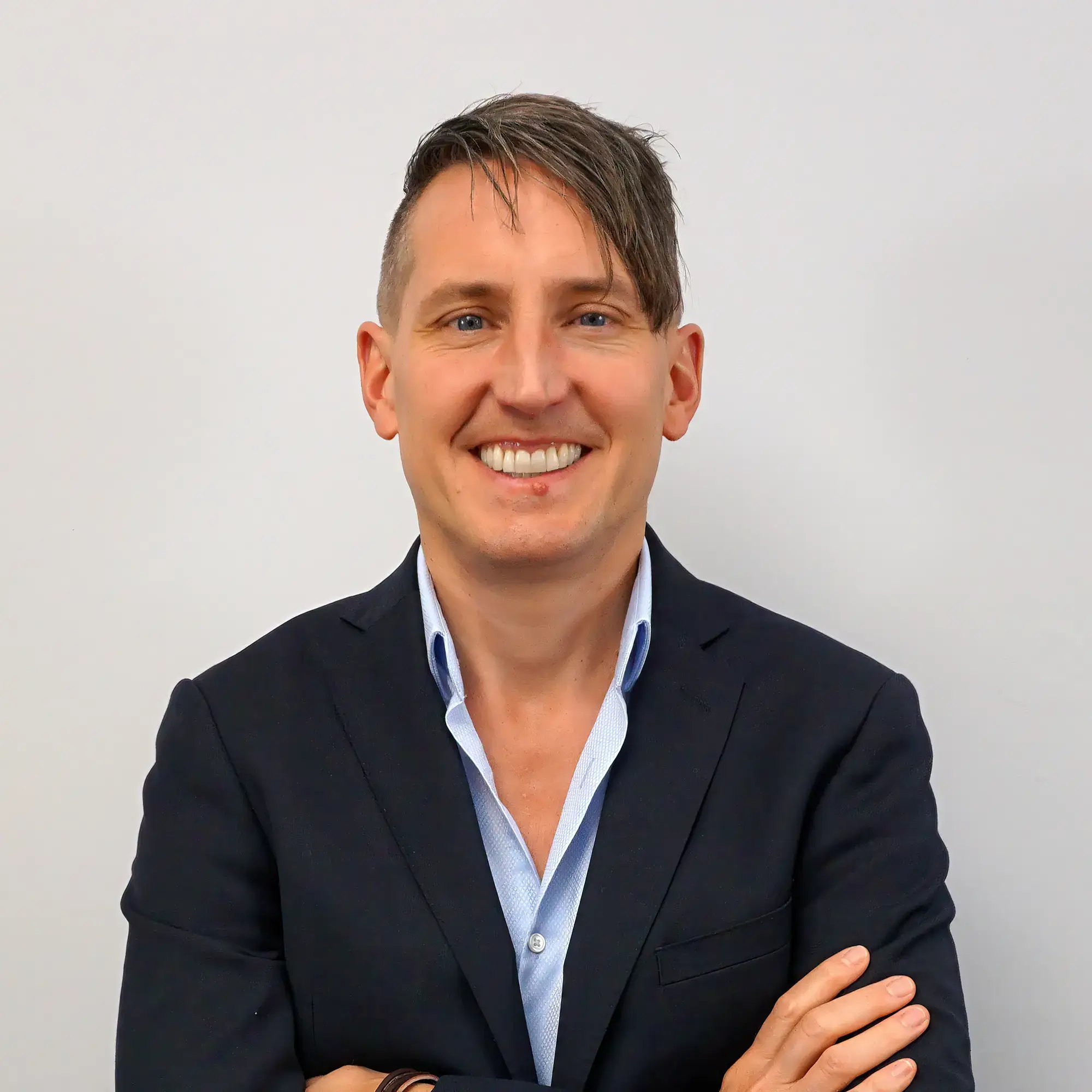
Frank Spillers
Founder - UX Inner Circle
Frank Spillers, MS, founded the UX Inner Circle in 2020 to support senior practitioners facing complex challenges. The community exists to sharpen thinking, increase your confidence, and pressure-test real decisions. It’s built for people doing the work, not just talking about it. Frank founded an award-winning UX and Service Design consultancy (Experience Dynamics) and now leads UX and Service Design at numerous organisations, including the UK Government Digital Service. He has worked with and led teams to deliver hundreds of products and services over several decades. His work spans government, enterprise platforms, nonprofits, and global brands. He brings 25+ years as a senior UX and Service Design leader. His focus areas include Inclusive Design, accessibility, emotion-led design, cross-cultural UX, VR/AR, and UX leadership. His work has directly increased conversion by 88% and revenue by 300% for organizations including Nike, Microsoft, Intel, Capital One, Global Disability Rights Now!, the World Bank, and the City of New York.